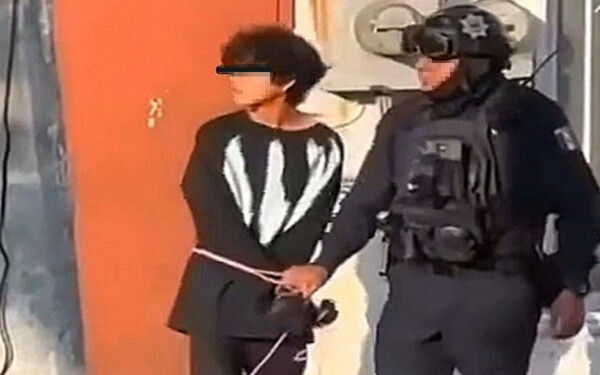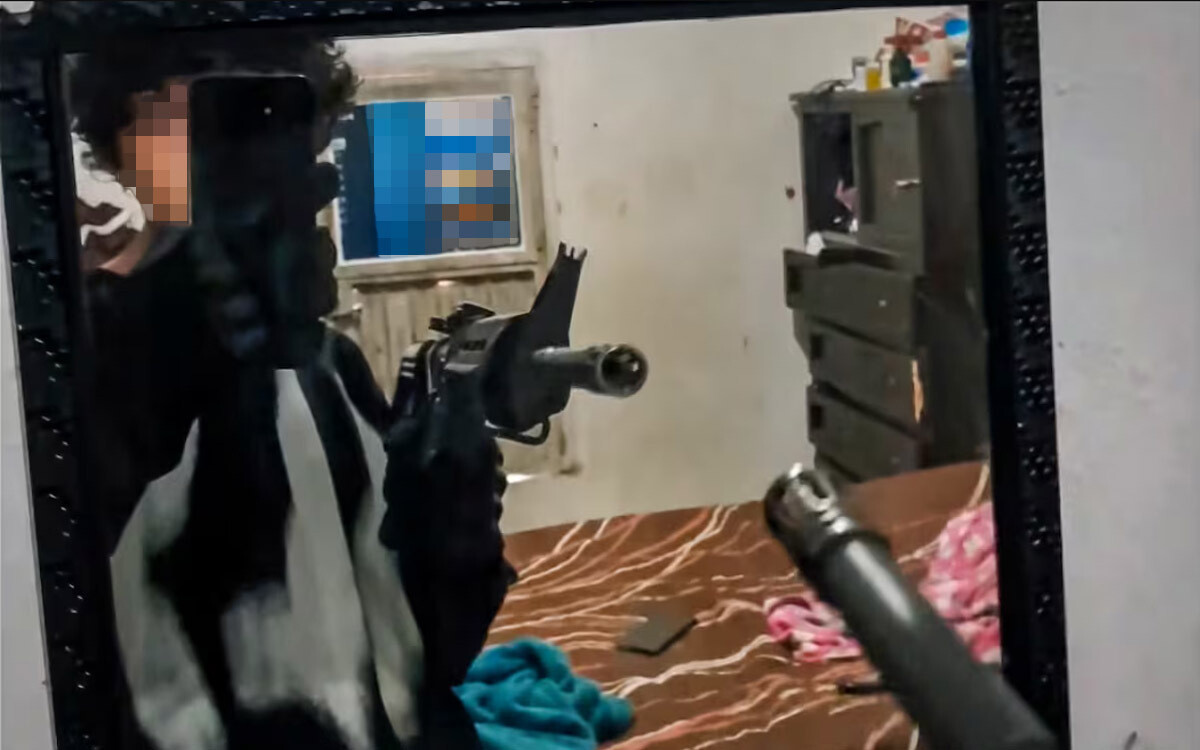
Patricia Ganem, coordinator of the Research Observatory of Education with Rumbo, warned that the case of the 15-year-old adolescent who shot two workers at a high school in Lázaro Cárdenas, Michoacán, must be analyzed in the context of the structural problems facing society. During an interview with Aristegui en Vivo, Ganem noted that since the observatory's inception, they have identified “three major lines” of concern: a crisis in social bonds, the disintegration of the social fabric, and the normalization of violence. Regarding the latter point, she explained that “normalization through video games […] is creating a condition that we are already seeing in concrete ways, such as children aggressing each other.” The specialist emphasized that these dynamics are also reflected in the school environment, where, she said, the capacity for action of teachers has been weakened. “Teachers have to let students pass,” she explained, which translates to students with “very serious problems in reading fluency or text comprehension.” Likewise, she warned that sanctions or corrections within the classroom are often interpreted as violence by students and families, leading educators to limit their interaction. She pointed out that many students reproduce messages like “if you don’t hit, I’ll hit you” or that those who do not assert themselves “will not achieve anything in life,” which reflects deficiencies in emotional management and bond formation. The researcher also cited recent data on violence against teachers, which, she said, shows that the problem has spread particularly in upper secondary and higher education levels. Faced with this scenario, she explained that the observatory will continue to generate information and public positions with the aim of making the problem visible. As an example, she mentioned the impossibility of failing students, which she said has led to accumulated backlogs. In this sense, she pointed out that “we cannot leave it at this moment as an isolated condition.” When referring to the factors influencing this phenomenon, she highlighted the role of the family and the construction of authority figures.